

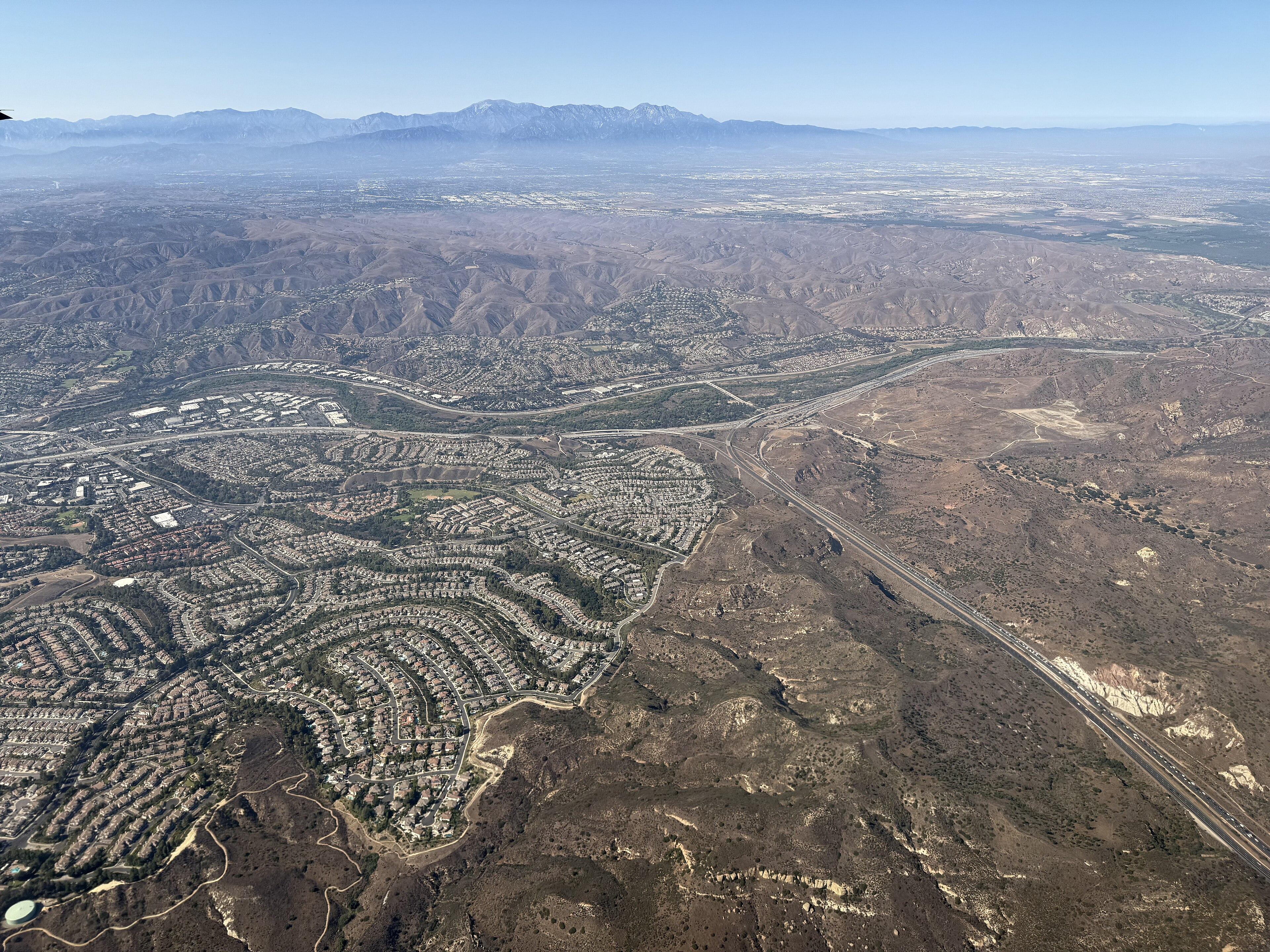
What Is the Commute Like From Yorba Linda? The 91 Freeway, Toll Roads, and Getting Around
What is the commute really like from Yorba Linda?
The 91 Freeway is the main route out of Yorba Linda, with three local exits and the 91 Express Lanes. The 241 Toll Road reaches south Orange County, and the 57 serves Los Angeles. Test your drive at rush hour before you buy.
Top Yorba Linda listing agent explains the 91 Freeway, the toll roads, and the daily commute in Yorba Linda, CA.
I have lived in Yorba Linda my whole life, and I drive these same freeways. When buyers fall in love with a home here, the commute is usually the first honest question they ask, and it should be. The commute is the biggest trade-off of living in Yorba Linda, and the 91 Freeway is the reason. This post lays out every route, what it costs in time and tolls, and how to test your own drive before you write an offer.
At a glance: your routes out of Yorba Linda
|
Route |
Where it takes you |
What to know |
|---|---|---|
|
91 Freeway west |
Anaheim, Fullerton, Los Angeles (via the 5 or 57) |
Three Yorba Linda exits; nearly 300,000 vehicles a day |
|
91 Freeway east |
Corona, Riverside, the Inland Empire |
Evening rush hour runs heavy heading east |
|
91 Express Lanes |
SR-55 in Anaheim to I-15 in Corona |
18 miles in the freeway median; FasTrak required; tolls change by time of day |
|
241 Toll Road |
Irvine, Lake Forest, Mission Viejo |
Joins the 91 just east of Yorba Linda; skips the 55 and 5 interchanges |
|
57 Freeway |
Placentia, Brea, Los Angeles |
Reached by Imperial Highway or Yorba Linda Boulevard |
|
Metrolink, Anaheim Canyon station |
Inland Empire-Orange County Line |
1039 N. Pacificenter Drive, Anaheim; 14 weekday trains; free parking |
How does the 91 Freeway shape the Yorba Linda commute?
The 91 runs along the city's southern edge and carries nearly 300,000 vehicles a day through Orange County, making it one of the busiest freeways in the region. State counts back that up: more than 280,000 vehicles a day cross the Orange and Riverside county line on the 91, and the 2024 Caltrans count at the 241 junction was 272,100 vehicles a day. That volume is why the 91 sets the rhythm of the Yorba Linda commute more than any other road.
Yorba Linda drivers use three main 91 exits. Lakeview Avenue serves the west side of the city near the Anaheim border. Imperial Highway, State Route 90, which becomes Richard Nixon Parkway inside the city, is the middle exit and the one many central Yorba Linda neighborhoods feed into. Yorba Linda Boulevard and Weir Canyon Road serve the east side. Where you live in the city decides which exit you use every day, and that choice shapes your whole commute.
Rush hour in both directions can be slow, especially heading east in the evening. Westbound mornings back up toward the 55 and the 57, and eastbound evenings back up through Santa Ana Canyon toward Corona and Riverside. The canyon is the pinch point. Once you are past it, traffic usually opens up, but getting through it at peak hours takes patience. If your job sits west in Orange County or Los Angeles, your morning drive runs against the heaviest eastbound flow in the evening, which helps. If your job sits east in Corona or Riverside, you drive straight into the evening backup.
The practical point is simple: the 91 is not a road you can judge from a map. Two homes a few miles apart can have very different commutes, because one sits two minutes from an entrance and the other sits fifteen minutes from the same entrance on surface streets. That is why the drive test at the end of this post matters more than anything else in it.
What are the 91 Express Lanes, and are they worth it?
The 91 Express Lanes are the go-to option for many commuters. These toll lanes run in the middle of the 91 from the 55 Freeway in Anaheim east to the 15 Freeway in Riverside County, a total of 18 miles with two lanes in each direction. They opened in 1995 as the first fully automated toll lanes in the country, and the Orange County section is now run by the Orange County Transportation Authority, with the Riverside County Transportation Commission running the Riverside County section.
Prices change by time of day to keep traffic moving, which is the whole point of the lanes. When the free lanes slow down, the toll goes up, and the Express Lanes stay free flowing. You pay with a FasTrak transponder mounted on your windshield. There are no toll booths and no cash option. Entry and exit points sit only at the west end, the east end, and the Orange and Riverside county line, so you commit to a long stretch once you enter.
Carpools of three or more ride free most of the time, except heading east on weekday afternoons from 4 to 6, when they pay half the posted toll. That makes the lanes a real option for families and coworkers who can share the ride, not just for solo drivers willing to pay.
Are they worth it for a daily commute? That depends on your route and your schedule. If you drive the 91 through Santa Ana Canyon at peak hours, the lanes can save you a large chunk of time on the worst days. But the toll is a real monthly cost, and it adds up fast if you use the lanes twice a day, five days a week. Before you count on them, check the current toll schedule for your exact travel times, and run the monthly math the same way you would run any other housing cost. For many of my clients, the answer is to use the lanes on the worst days and the free lanes on the rest.
How do the 241 Toll Road and the 57 Freeway fit in?
For commuters heading to south Orange County, the 241 Toll Road, which connects to the 91 just east of Yorba Linda, is a popular way to reach Irvine, Lake Forest, and Mission Viejo without crawling through the 55 and 5 interchanges. The 241 runs south through the hills, and from Yorba Linda you reach it by heading east on the 91 for a short stretch. It is the most direct route to the Irvine job centers, and it is the reason many Yorba Linda buyers who work in south Orange County can make the commute work.
The 241 is a toll road, paid with a FasTrak transponder or an online payment. Like the Express Lanes, it is a cost to budget, not a free road. The trade is straightforward: you pay the toll, and you skip the two busiest freeway interchanges in the county. If you commute to Irvine daily, that trade usually pays for itself in time and stress, but run the numbers for your own schedule before you commit to a home based on it.
Drive times depend heavily on where you live in Yorba Linda and when you leave. Homes on the east side, like Bryant Ranch, are closest to the 91 and the 241, so the toll road option is right there. Homes on the west and north sides often use Imperial Highway, Yorba Linda Boulevard, or local streets toward the 57 Freeway in Placentia and Brea for trips toward Los Angeles. The 57 runs north and south, and it is the main route to downtown Los Angeles from this side of the county. West side buyers trade a longer run to the 91 for a shorter run to the 57, and for a Los Angeles commute that trade can matter more than anything else about the house.
So the honest answer to "how is the commute" is that it depends on the pairing of your home and your job. A Bryant Ranch home with an Irvine job is a different commute from a west side home with a downtown Los Angeles job, even though both homes sit in the same city. Match the neighborhood to the route, not just to the house.
What about Metrolink and getting around without a car?
Metrolink commuters can use the Anaheim Canyon station, a short drive south of the city at 1039 N. Pacificenter Drive in Anaheim. The station serves the Inland Empire-Orange County Line, which runs between San Bernardino and Oceanside, and it sees 14 trains each weekday, seven in each direction, running mostly at peak hours in the peak direction. Weekend service is lighter, with four trains each day. Parking is free, with 149 spaces, and Orange County buses connect at the station.
The train works best for commuters whose jobs sit near a station on the same line, in places like Irvine, Orange, or Riverside. It does not run to Los Angeles directly from Anaheim Canyon. For a Los Angeles commute by train, the Orange County Line stops at the Anaheim Regional Transportation Intermodal Center (ARTIC) and at Fullerton station, both a short drive from Yorba Linda, and Amtrak Pacific Surfliner trains also stop at ARTIC.
Inside Yorba Linda itself, most daily trips still happen by car. The city is spread out, the neighborhoods sit on hills and in canyons, and the bus network is thin compared with denser cities. That is part of the small town feel buyers love, and it is also why the freeway question matters so much here. If you want to drive less, look at homes near your freeway entrance, and check the Metrolink schedule for your job before you buy.
What is being built to fix the 91?
There is help on the way. Regional agencies have been investing in the 91 for years, including a project to improve the stretch between the 57 and 55 freeways, which runs through Anaheim, Orange, Placentia, Fullerton, and Yorba Linda. The SR-91 Improvement Project covers 6.6 miles in three segments, adding an eastbound general purpose lane, widening bridges, and rebuilding interchanges. Construction began in spring 2025, and completion is expected in 2027. The full project carries a price tag of about $779 million.
There is also a planned direct connector between the 241 Toll Road and the 91 Express Lanes. Today, drivers moving between the 241 and the Express Lanes have to weave through the general purpose lanes of the 91, which creates one of the worst bottlenecks in the corridor. The planned connector would link the two toll systems median to median, in both directions, so that move happens without the weaving. As of fall 2025, the agencies behind the project were still working through the tolling approvals for it, so it stays in the planned column for now.
These projects will not make rush hour disappear, but they target some of the worst bottlenecks. If you buy in Yorba Linda, expect construction on the 91 for the next couple of years, and expect the drive to improve in stages as each segment opens. That is worth knowing before you buy, because a commute that feels rough today may feel different once the new lane and the rebuilt interchanges are in place.
How do you test a Yorba Linda commute before you buy?
Here is the problem I hear most often, in buyers' own words: "We love the house. But what is the drive actually going to feel like every single morning?" I hear that question on almost every showing, and it is the right question to ask, because the commute is the one part of Yorba Linda you cannot see in listing photos. I have lived here my whole life, and I drive these same roads, so I will not tell you the commute is easy when it is not. What I will do is help you test it honestly, before you commit.
Step 1: Drive your actual commute at the actual time you would leave, on a weekday. Not on a Saturday, and not at noon. Leave from the home you are considering, at the time you would really leave, and drive to your actual workplace. Then drive it back at the time you would really come home. Do it on a normal weekday, not a holiday week. That one drive tells you more than any article, including this one.
Step 2: Price the options for your route. Check the current Express Lanes toll for your travel times, the 241 toll if you would use it, and the Metrolink pass if the train fits your job. Then weigh those costs against working from home a few days a week or shifting your hours. Many of my clients find that working from home a few days a week, using the Express Lanes, or shifting their hours makes Yorba Linda's commute worth it for the space, schools, and quiet they get in return.
Step 3: If the drive is the deciding factor, focus on neighborhoods closer to your freeway entrance. A home near the 91 on the east side shortens the 241 run. A home on the west side shortens the 57 run. The right neighborhood is the one that puts your entrance a few minutes away, not twenty.
One buyer put it this way after working with me: "Josh made our experience very smooth and stress free." (Review quote: Mike PW, first-time buyer, Google review.) That is what I aim for on every purchase, and the commute test is part of it.
Here is what success looks like: you buy knowing exactly what your mornings and evenings feel like, and the space, schools, and quiet are worth it to you. Guessing costs you the one thing you cannot get back, which is your time, twice a day, every weekday. Test the drive, run the numbers, and then decide with confidence instead of hoping it works out.
Frequently Asked Questions
Q: How long is the commute from Yorba Linda to Irvine?
A: It depends on where you live in Yorba Linda and when you leave. The direct route is the 241 Toll Road, which connects to the 91 just east of the city and runs south to Irvine without the 55 and 5 interchanges. Homes on the east side, like Bryant Ranch, are closest to the 241. Drive it at your actual commute time on a weekday before you decide.
Q: Are the 91 Express Lanes worth it for a daily commute?
A: For many commuters, yes, when rush hour is at its worst. The lanes run 18 miles in the median of the 91 from the 55 in Anaheim to the 15 in Corona, and tolls change by time of day to keep traffic moving. You need a FasTrak transponder, and carpools of three or more ride free most of the time. The cost adds up, so compare the toll against the time you save on your own route.
Q: Can I take a train from Yorba Linda?
A: There is no Metrolink station inside Yorba Linda, but Anaheim Canyon station is a short drive south at 1039 N. Pacificenter Drive in Anaheim. It serves the Inland Empire-Orange County Line with 14 weekday trains, and parking is free. For Los Angeles, the Orange County Line stops at Anaheim (ARTIC) and Fullerton.
My honest advice: before you buy in Yorba Linda, drive your actual commute at the actual time you would leave, on a weekday. Many of my clients find that working from home a few days a week, using the Express Lanes, or shifting their hours makes Yorba Linda's commute worth it for the space, schools, and quiet they get in return. Others decide to focus on neighborhoods closer to their freeway entrance. Either way, it is better to know before you buy. If you want me to walk the drive with you, reach out and we will map your route together, so you can choose with confidence instead of guessing.
Sources:
-
- "20 Yorba Linda Blog Posts for Buyers and Sellers," post #11 (Josh Alexander authored content): the 91 Freeway, three main exits, Express Lanes, 241 Toll Road, drive-time advice, improvement projects
-
SCAG / Riverside County Transportation Commission, SR-91 Corridor Improvement Project documents: more than 280,000 vehicles per day at the Orange/Riverside County line
Caltrans 2024 traffic counts: 272,100 vehicles per day on SR-91 at the SR-241 junction
OCTA, 91 Express Lanes fact sheet (FY 2025): 18 miles, SR-55 to I-15, jointly managed by OCTA and RCTC; congestion management pricing; FasTrak transponders
Wikipedia, California State Route 91: Express Lanes opened 1995; entry and exit points; carpool rules; Riverside section opened March 2017
California Transportation Commission, SR-241/SR-91 Express Connector fact sheet (2020): planned direct median-to-median tolled connector
Caltrans / OCTA, SR-91 Improvement Project: 6.6 miles, three segments, Anaheim, Fullerton, Orange, Placentia, Yorba Linda; construction began spring 2025; about $779 million
Metrolink, Anaheim Canyon station: 1039 N. Pacificenter Drive, Anaheim; Inland Empire-Orange County Line; 14 weekday trains; free parking, 149 spaces
Wikipedia, California State Route 90: Imperial Highway in Yorba Linda is the Richard Nixon Parkway (relinquished from the state highway system in 2002)
The Toll Roads (Transportation Corridor Agencies): 241 Toll Road payment by FasTrak transponder or online payment
If you want to stay updated on all things Yorba Linda, feel free to follow me on Instagram or sign up for my weekly newsletter straight into your inbox.
Josh Alexander
The Brokeredge
Your Local Yorba Linda Real Estate Agent
DRE#:01974435
714-366-2186